About Education and Training for Scientific Illustrators
Scientific illustration, other than medical illustration, does not require a specific degree or training in order to work in the field. Your portfolio will communicate your abilities and skill to your clients. However, to develop a good portfolio, you need to be able to draw well and college courses in the sciences are recommended.
For information about preparing in high school for a degree in fine art (with an emphasis in scientific illustration) and a list of universities offering bachelor, graduate, and certificate courses in science and medical illustration, see Formal Education and Training for Scientific Illustrators.
Some specific skills, training, and resources that I've found useful:
- classes and publications on using watercolor: Look for those that focus on techniques, such as dry brush method, wet on wet, reduction, etc.
- publications about scientific illustration techniques: See books about learning scientific illustration (in general), and also those specific to bird Illustration, wildlife illustration, and botanical illustration.
- classes about scientific illustration techniques:
Call your local university to inquire about courses and see the following associations' listings of classes:
Calendar of the Guild of Natural Science Illustrators
- classes in natural sciences: biology, anatomy, etc.
- classes in figure drawing: Look for classes that encourage you to work in color. Painting the figure is very helpful for learning how to layer the color in something we normally think of as being just beige.
- examples of other scientific illustrators' work:
See scientific illustrators
- basic drawing instruction: These types of books teach you how to measure space when drawing and to understand how to represent spatial relationships between and within objects. Example:
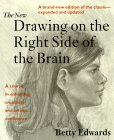
The New Drawing on the Right Side of the Brain
by Betty Edwards
- learn how to research your subject and find references about it: